
What even is debt consolidation?
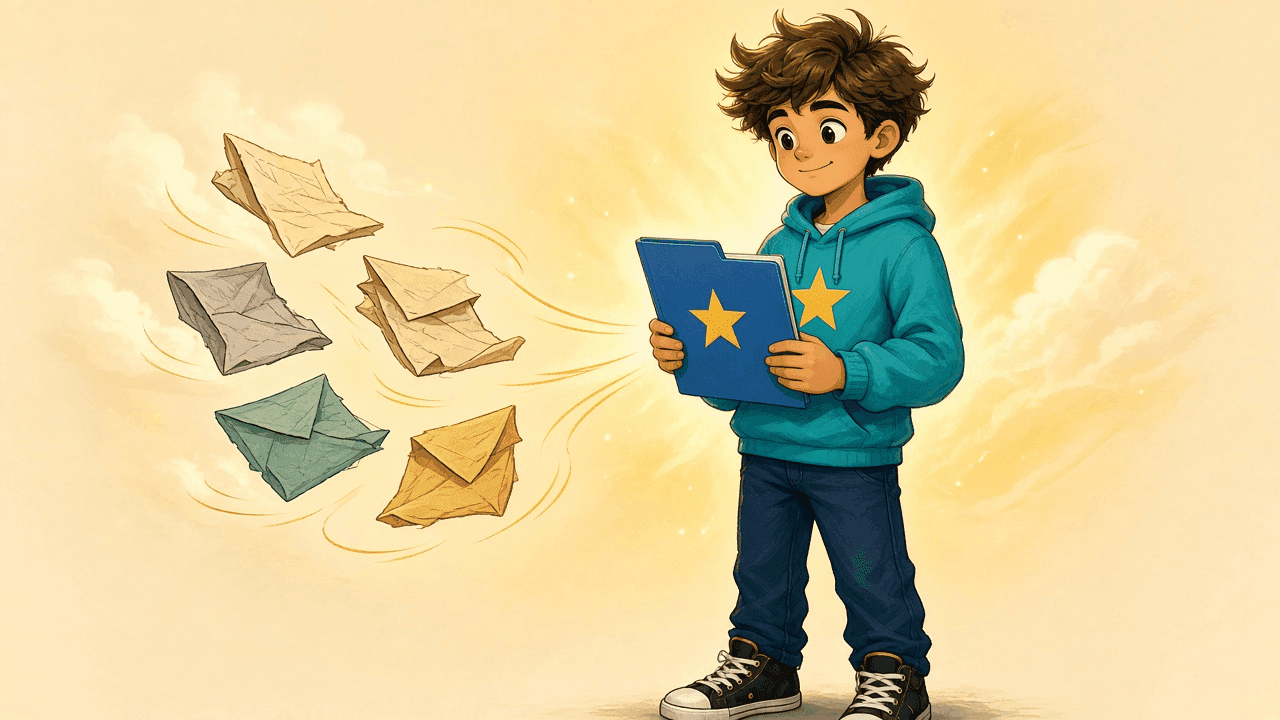
Several debts into one repayment, when it helps, when it doesn’t, and what to watch.
Debt consolidation means taking several debts you already have (say a couple of cards, a personal loan, maybe money you owe in different places), and rolling them into one repayment, often with one lender or one new arrangement. Instead of juggling five due dates, you aim for a single plan. It does not magically erase what you owe; it reorganises how you repay it.
Picture five messy tabs on your browser. Consolidation is closing them into one tab: the websites (the money owed) are still there, but you’re looking at one place.
Why people consider it
- One payment is easier to track than many.
- Sometimes the new rate or structure costs less in interest than the old mix, not always; you have to compare the real numbers.
- Mental load drops when you’re not playing calendar Tetris with due dates.
What it is not
It is not a free pass. It is not “good debt.” It is not automatically smarter than paying each debt down where it sits. And it is not a reason to go get new debt if you’re currently fine. Prefer staying out of unnecessary debt. Consolidation is a tool for debt you already have, not a starter pack.
When it can help
You’ve got multiple high-interest balances (often cards), you can actually afford the new single repayment, and the total cost over time looks better after fees. You’re ready to stop adding new card spend while you clear the consolidated amount. Clarity plus discipline. Card payoff first, if that’s the loud one: How do I even pay off a credit card?.
When it can backfire
- The new loan lasts so long that you pay more interest overall.
- Fees eat the “savings.”
- You consolidate… then run the old cards back up. Now you’ve got the new loan and fresh card debt. That’s the classic trap.
- You borrow from family to “simplify,” without a written plan. Relationships and money both get messy. Money from family. Keep it clean.
Personal loans, cards, family borrows
Consolidation conversations often involve a personal loan used to pay off cards, or a balance transfer-style product, or informal family help. Whatever the shape: read the term length, the rate, the fees, and what happens if you miss a payment. No product endorsements. Just demand the full picture before you sign or shake on anything. Payoff styles: Personal loans: what “good enough” payoff looks like.
The DoshHero take
Debt consolidation is a reorganisation tool. Use it only when the maths and your habits support it. Paying bills on time, not stacking unnecessary credit, and keeping room for life (yes, including fun with mates) still matter after you consolidate. Wealth creation needs stability: know what you owe, prefer not adding more, free up cash to save and invest. No shame if you’re looking this up. Clarity is the whole point. Owing money isn’t a vibe fail.
See also
How do I even pay off a credit card? · Personal loans: what “good enough” payoff looks like · Money from family. Keep it clean · Owing money isn’t a vibe fail · Credit cards without the lecture
More in Debt
- Owing money isn’t a vibe fail
- What even is a credit score?
- How do I even build credit without wrecking myself?
- What even is Afterpay / BNPL?
- How do I even pay off a credit card?
- Credit cards without the lecture
- Personal loans: what “good enough” payoff looks like
- Money from family. Keep it clean
- What even is the HECS repayment threshold?
- How do I even pick avalanche vs snowball?
- Does Afterpay affect my credit score or a future home loan?
- Should I pay off HECS early?