
Learn
First-job money, building on purpose
Budget the week, feed the wealth pots, check Super is landing, name debt, know the tax cut, and start investing. Live now. Build later. No lecture.
Common first-pay questions have their own pages: How much of my pay should I save?, How much board should I pay my parents?, How do I even save for Christmas?, How do I buy my first car without a loan?, and Am I behind with money?. If a balance is already there: How do I even pick avalanche vs snowball?, How do I even pay off a credit card?, Does Afterpay affect my credit score?, and Should I pay off HECS early?. Payslip surprises and Super extras: Why did my first pay get taxed so much? and What even is the Super co-contribution?. The full path is in courses.
Browse a section
Budget
A week that fits you
A few buckets, not forty categories. Room for the life you want now and a bit for later.
28 tips · 26 articles →
Super
The pile that grows while you work
Check you’re getting it, know your fund, glance at fees. No need to become a Super nerd overnight.
13 tips · 12 articles →
Debt
Name it, then pick a pace
Cards, loans, family money, HECS. They’re different. No shame in having them. Clarity helps.
15 tips · 13 articles →
Tax
Payslips, TFNs, and a folder for receipts
Payslips, TFNs, and a folder, so you know what landed and can point it at the pots.
24 tips · 22 articles →
Invest
Shares, compounding, and starting small
Putting money to work on purpose, so it can grow wealth and stability over time, while you still live your life.
28 tips · 21 articles →
Budget
All Budget →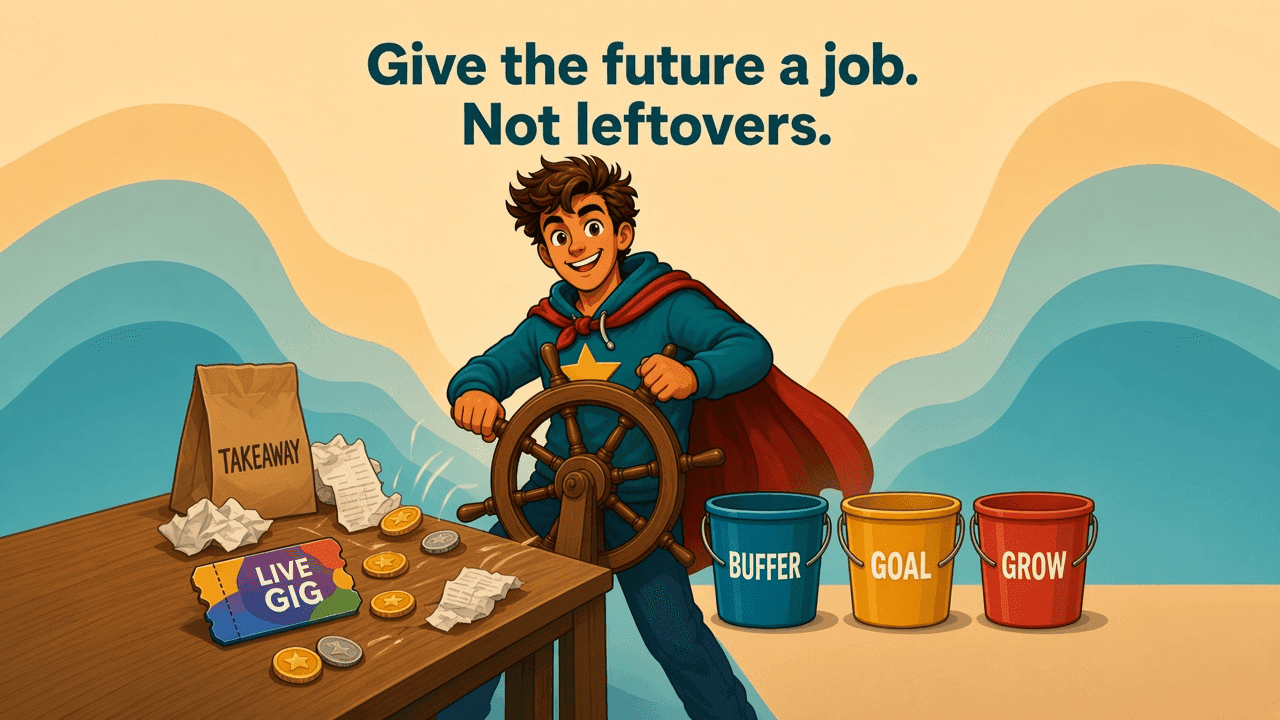
What even is a budget?
A simple money plan. Live your life, and point cash at the future on purpose.
Read the page →

How do I even split my first pay?
Give the money that lands jobs before it disappears. Take-home first, then housing, getting around, food, a later slice, and a life.
Read the page →
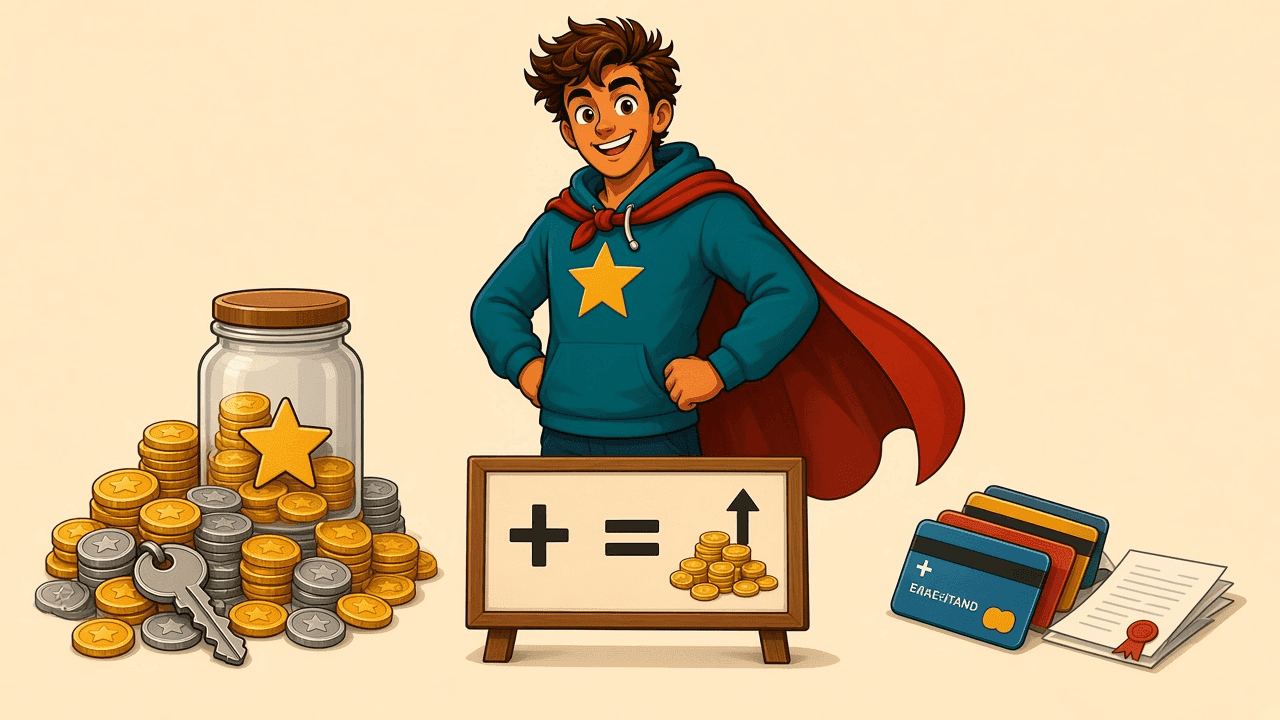
What even is net worth?
Own minus owe. One number. Watch the pile grow.
Read the page →

What even is an emergency fund?
Surprise cash. Parked for peace. Protects the rest of your plan.
Read the page →

Set up the DoshHero Budget
Pay lands, then splits into swipe cards and save pots. Guesses are fine.
Read the page →

Your first real budget (the three buckets)
Three cheerful buckets: Housing, Wheels, Everyday. That’s enough to see the week.
Read the page →

Sinking funds without the spreadsheet stress
Rego, Christmas, the phone. Coins from the calendar into a jar. No spreadsheet panic.
Read the page →

Living now while setting up later
A week that still has mates, gigs, and sport, and a bit parked on purpose.
Read the page →

What even is a sinking fund?
A named pot you drip into for known upcoming costs, not the same as emergency savings.
Read the page →

How do I even set up my first bank accounts?
Everyday spend plus a separate savings pot: two jobs, two pots, less “where did payday go?”
Read the page →

What even is car insurance?
CTP with rego, then optional third party or comprehensive. Cost vs protecting your own ride.
Read the page →

How do I even budget while living at home?
Treat board as Housing, keep a future slice, contribute fairly, and still plan Friday with mates.
Read the page →

How do I even budget when I rent with mates?
Your share of rent and bills, who pays what, and a pot for bond or moving. Share-house money without the chase.
Read the page →

What even is a high-interest savings account?
A savings account that pays more interest on cash you park: emergency and goals, not investing.
Read the page →
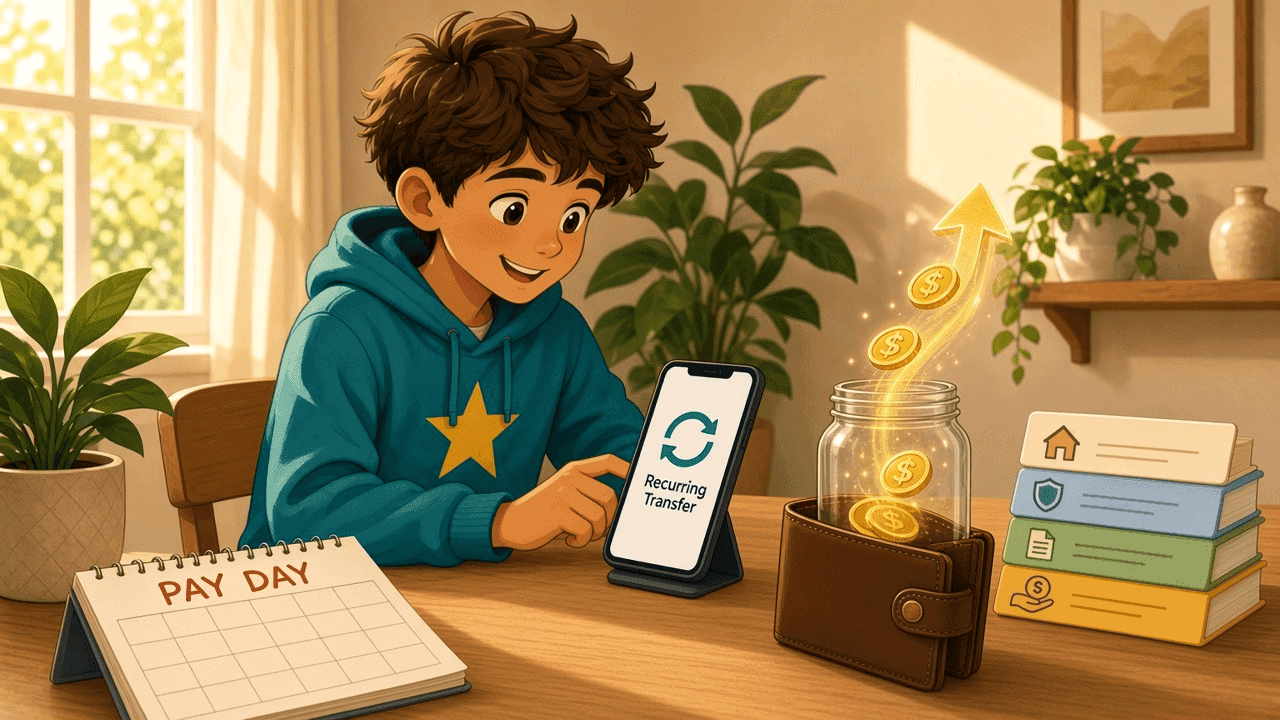
How do I even automate savings from each pay?
A payday transfer so the intentional slice leaves before the week spends itself. Start small.
Read the page →

How do I even save for a car or holiday?
Target ÷ pays left = the drip. Named pot, intentional line. Fund the vibe without borrowing for it.
Read the page →

How do I even set money goals that stick?
Name a pot, pin a dollar and a date, drip from payday. Goals can change. You still get a life.
Read the page →

What even is contents insurance?
Cover for your stuff in a flat or share house, not the building. Useful sometimes. Not a hard sell.
Read the page →

How do I even pick an everyday bank account?
Fees, ATMs, the app, and an optional savings sibling. A checklist, not a best-bank list.
Read the page →

What even is inflation?
Prices rising over time. Cash that sits still can buy less later. Emergency and investing do different jobs.
Read the page →

How do I even build an emergency fund?
Weekly trickle stays on. First about $1,000, then debt if you owe, then toward about 3 months.
Read the page →

How do I even save for Christmas (and birthdays) without the January hangover?
One Gifts pot, a weekly drip, and December stops being a money ambush.
Read the page →

How much of my pay should I actually save?
At least 10% to investing, an emergency trickle, and sinking pots for what's coming. Then live.
Read the page →

How much board should I pay my parents?
Your share of the costs is the floor, a room elsewhere is the ceiling. Agree somewhere fair in between.
Read the page →

Am I behind? Savings and net worth at 20 and 25
Age charts compare you to strangers. Direction and habits tell you if you're on track.
Read the page →

How do I even buy my first car without a loan wrecking me?
Save up, buy a cheaper used car outright, and fund rego and insurance from your Wheels pot.
Read the page →
Super
All Super →
Super isn’t a grey-hair thing. It’s a pile with your name on it.
Super is investing with your name on it. Paid while you work. Check it actually lands.
Read the page →

How do I even check my Super is landing?
Make sure the Super your employer pays actually shows up in your account, and is invested for later-you. Super guarantee is 12%.
Read the page →

How do I even check my Super is actually being paid?
A 10-minute check of your payslip and your Super fund's app, so later-you isn't waiting on a promise.
Read the page →

How do I even pick a Super fund without spiralling?
Fees, long-run performance, insurance, convenience. Pick one, skip the spiral.
Read the page →
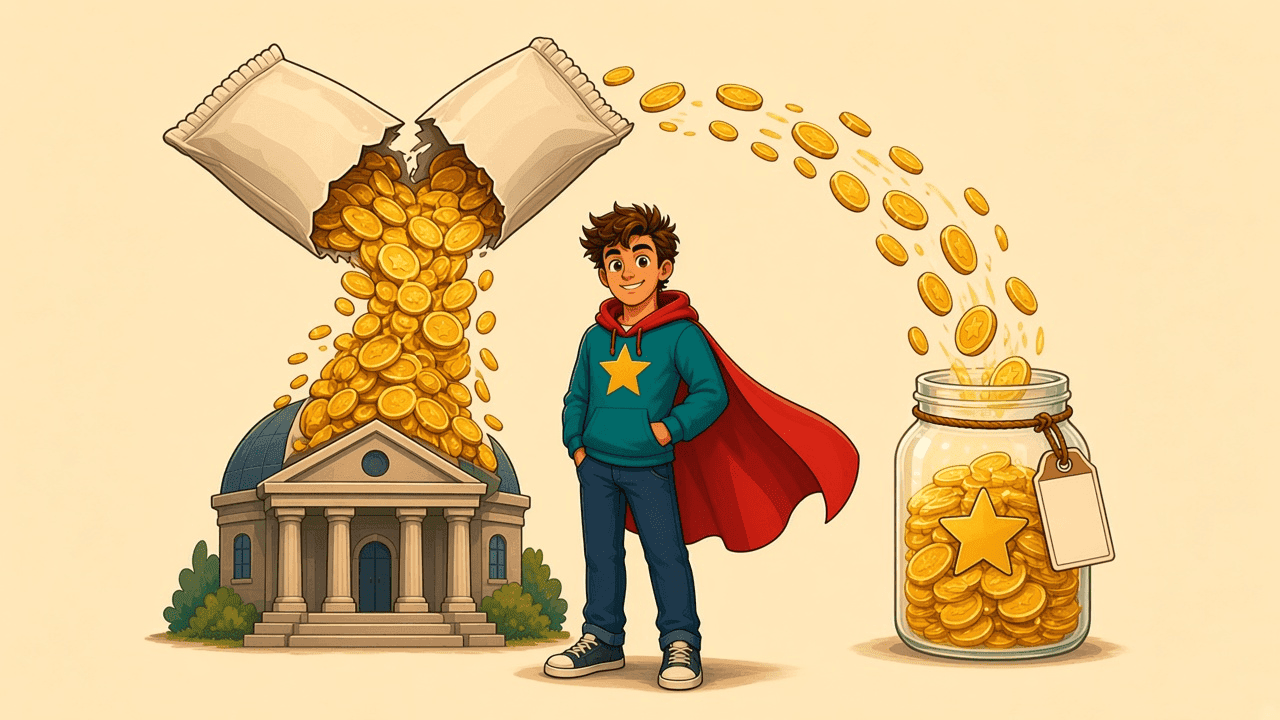
How do I even salary sacrifice into Super?
Optional extra Super from your pay, before it hits the bank. Only if the week can spare it.
Read the page →

Super 101 for your first job
A pile with your name on it. First job: check SG lands, then ignore the rest for now.
Read the page →

What to actually check in your fund app
A short tour: login, balance, insurance, fees. Then get on with your week.
Read the page →

Consolidating later (when it might make sense)
A few leftover pots can become one later. No rush. Timing matters.
Read the page →

What even is insurance inside Super?
Death, TPD, and sometimes income protection. Sitting inside your Super. Glance once. Don’t spiral.
Read the page →

What even is the Super guarantee?
The percentage of ordinary time earnings your employer pays into your Super. Not optional.
Read the page →

How do I even consolidate my Super?
Old job accounts into one, later. Insurance and fees first. No rush, no vibe switch.
Read the page →

What even is the Super co-contribution?
Put after-tax money into Super and the government may match up to $500. Optional, if you have Super.
Read the page →
Debt
All Debt →
Owing money isn’t a vibe fail
Name it, stay current, keep building. High-interest debt steals from Investing and Emergency. HECS is different.
Read the page →

What even is a credit score?
A number lenders use to see how you’ve handled money you owed, not a grade on your worth.
Read the page →

How do I even build credit without wrecking myself?
You don’t need new debt to be okay. Pay on time; skip stacking credit you don’t need.
Read the page →

What even is Afterpay / BNPL?
Buy now, pay later. Smaller chunks later. Handy if timed; sticky if you stack plans.
Read the page →

How do I even pay off a credit card?
List the balance, pick a method, cut new spend, still live. No shame for a card balance.
Read the page →

What even is debt consolidation?
Several debts into one repayment, when it helps, when it doesn’t, and what to watch.
Read the page →

Credit cards without the lecture
A card on a clean desk: a tool if you choose it, not a trap.
Read the page →

Personal loans: what “good enough” payoff looks like
Avalanche, snowball, or “the one I’ll actually do”. Good enough is a plan you keep.
Read the page →

Money from family. Keep it clean
A short written note beats a fuzzy “we’ll work it out.”
Read the page →

What even is the HECS repayment threshold?
Compulsory HELP repayments start above an ATO income line on the slice above it, not like a card.
Read the page →

How do I even pick avalanche vs snowball?
Highest rate first, or smallest balance first. Pick the one you’ll still be doing in three months.
Read the page →

Does Afterpay affect my credit score or a future home loan?
BNPL is regulated credit now. Sign-ups get checked, missed payments can be reported, and lenders look.
Read the page →

Should I pay off HECS early?
HECS comes out of your pay on its own. Build your buffer and investing first. Extras can wait.
Read the page →
Tax
All Tax →
How to do your first tax return in Australia
Step by step through myTax, what you can claim, and three worked refund examples for first-jobbers.
Read the page →

What even is tax?
The cut on the payslip, so you know what landed and can feed Savings, Investing, and Emergency.
Read the page →

What even is take-home pay?
The money that actually lands after tax (and any study-loan bits), not the job-ad number. So your week plan uses a real figure.
Read the page →

What even is the tax-free threshold?
The first slice of yearly income that usually isn’t taxed, and the claim box that shapes every payslip.
Read the page →
What even is PAYG?
The tax drip on your payslip. Pay as you go, not the final score.
Read the page →

What even is HECS-HELP?
Uni debt that tags along with your pay: light map, not a scare story.
Read the page →

How do I even tell work I have HECS?
One tick on the form, so study-loan withholding doesn’t surprise your payslip.
Read the page →

What even is indexation (on HECS)?
Why a HECS balance can creep up even when you’re not borrowing more without the doom scroll.
Read the page →
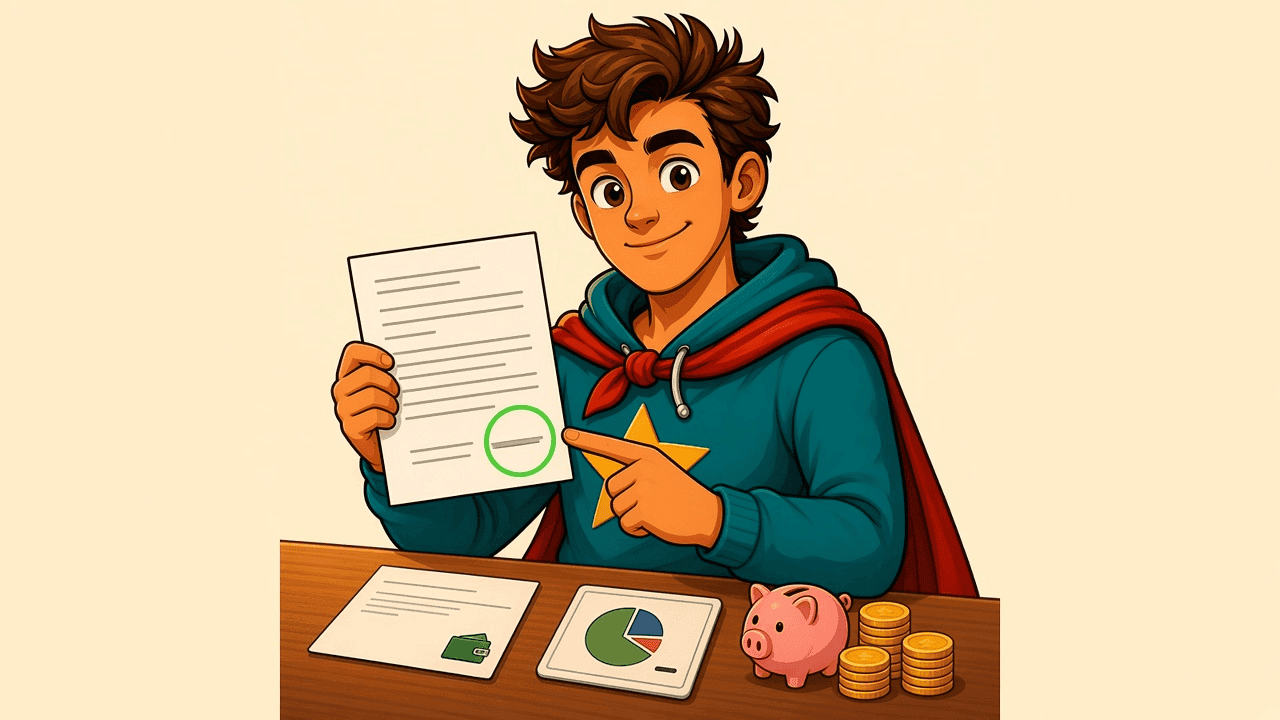
How do I even read my first payslip?
First payslip landed. Here’s what the lines actually mean in about two minutes.
Read the page →

What even is overtime / penalty rates?
Extra hours or awkward shifts. Why some pay lines are higher than your normal rate.
Read the page →

What even is base pay vs a salary package?
The number on the ad isn’t always cash in hand: base vs package, decoded.
Read the page →

Tax basics when you start work
TFN, withholding, payslips, and a receipt folder. First-job tax without the fog.
Read the page →

What even is a TFN?
The free number that stops your first job withholding tax like it’s a heist.
Read the page →

Tax-aware investing 101 (educational)
Shares can sprout a tax note. Everyday language, not a buy or sell pitch.
Read the page →

Common first-job tax gotchas
Second job, WFH myths, “my mate said I can claim it”. Watch the potholes.
Read the page →

What even is Medicare levy?
The extra slice on taxable income that helps fund Medicare. Who pays, and when a low income can change it.
Read the page →

How do I even get a tax refund?
Money back after you lodge, when withholding was higher than the final bill, not a prize.
Read the page →

How do I even handle tax with two jobs?
Claim the tax-free threshold once. The second job often withholds harder. Here’s the calm check.
Read the page →

What even is an ABN?
The business number for contracting and side hustles, not a reason to quit your job.
Read the page →

What even is LITO?
A tax offset that can reduce tax for lower incomes. Not the same as the tax-free threshold.
Read the page →

How do I even claim work-related expenses?
Uniforms, tools, and study tied to the job with receipts. Not a claim-everything list.
Read the page →

Why did my first pay get taxed so much?
Missing TFN, the threshold box, a second job or a big week. Fix it, then get it back at tax time.
Read the page →
Invest
All Invest →
What even is investing?
Putting money to work on purpose, so it can grow wealth and stability over time, while you still live your life.
Read the page →

What even is compound growth?
What is compound growth? Money earning a bit more on top of itself over years. Plain Aussie guide: time in the game, intentional habit, still living. No maths lecture.
Read the page →

What even is an ETF?
One buy, many companies: the basket idea, without the jargon spiral.
Read the page →

How do I even start investing with a small amount?
You don’t need a huge lump sum. You need a planned slice and a first step.
Read the page →

What even is “pay yourself first”?
Future slice on payday. Then live on what’s left for now.
Read the page →

How do I even invest and still have a life?
Small investing drip. Real Friday plans. Same fortnight.
Read the page →

What even is dollar-cost averaging?
Same amount, regular rhythm: less timing stress, more habit.
Read the page →

What even is an index fund?
Follow the market’s list, not a stock-picking contest.
Read the page →

What even is diversification?
Don’t put your whole future on one name. Spread the risk on purpose.
Read the page →

What even is volatility?
Prices bounce. Volatility is the name for how wild that bounce feels.
Read the page →

What even is Bitcoin?
One digital asset. Scarce by design. Prices can swing hard. Know what it is before you care.
Read the page →

What even is cryptocurrency?
Digital assets on a network: broader than Bitcoin, and usually a wilder ride than a long-term portfolio.
Read the page →

How do I even think about crypto in a wealth plan?
Crypto is optional. Core wealth habits aren’t. Here’s a calm way to keep them in separate lanes.
Read the page →

Investing vs saving. What’s the difference?
Saving keeps money ready. Investing puts long-horizon money to work. You can want both.
Read the page →

Ways to invest (without the jargon)
Four calm doors: shares, ETFs, crypto, property. A tour, not a ranking.
Read the page →

Compound growth: why time beats timing
A small start that grows if you give it years. Time beats guessing the perfect week.
Read the page →

Shares vs crypto vs property (light)
Three distinct paths, equal weight. No winner podium. Just trade-offs.
Read the page →

What even is the sharemarket?
Where shares in companies are bought and sold. The ASX is the Aussie name. Not a casino tip.
Read the page →

How do I even open a brokerage account?
ID, TFN, a platform type, a first small broad buy. Only money you can leave alone. Still live.
Read the page →

What even are franking credits?
Company tax already paid on some Aussie dividends. A credit idea, not a stock tip.
Read the page →

How do I even buy my first ETF?
After a brokerage account exists: a broad idea, a small buy, a habit. No ticker. No product pick.
Read the page →
Dosh Drop